

Golf demands precision, control, and a reliable connection between the body and the club. For young golfers and flexible adults, excessive shoulder retraction at the top of the backswing can create inefficiencies, make timing less predictable, and place unnecessary stress on the swing.
Players with hyper-flexibility may over-rotate, allow the trail arm to disconnect from the torso, or lose the feeling of syncing the arms with the body during the downswing. The goal is not to restrict a natural turn. It is to help the player organize that movement so the swing remains connected, repeatable, and powerful.
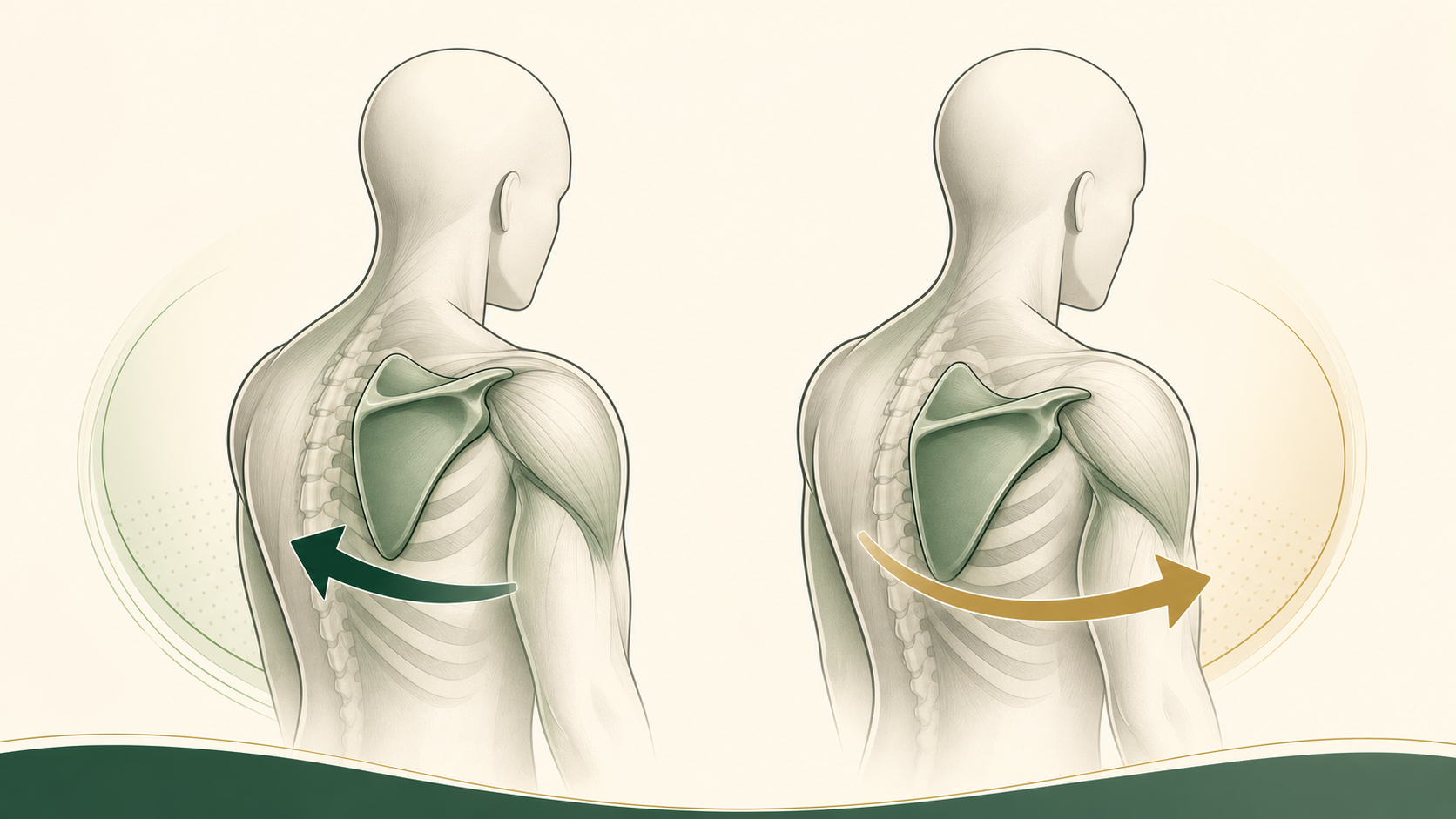
Understanding the problem
Excessive right shoulder retraction can contribute to:
- Loss of connection: the trail arm detaches from the torso, reducing efficiency and consistency.
- Over-rotation: a highly flexible player may continue turning after the useful structure of the backswing is already complete.
- Poor arm-and-body timing: the arms can become disconnected from the torso and struggle to sync in transition.
Three key interventions
1. Add tactile feedback
Place a small towel or headcover under the trail armpit. If the trail shoulder over-retracts and the arm separates from the torso, the object drops and gives the player immediate feedback. This is a simple way to make connection feel measurable without overloading the swing with technical thoughts.
2. Shorten the arm-lift component
Use a two-point contact feel: keep the hands and arms in front of the chest as the torso turns. This prevents the trail arm from wrapping behind the back and encourages the arms to travel with the torso instead of outrunning it.
3. Train the external shoulder structure
Think of the feeling as trail shoulder versus hand separation. Rather than pulling the trail elbow behind the rib cage in a “lawnmower” motion, feel the trail shoulder move away from the hands as the arms elevate. That preserves width without breaking connection.
Swing modifications and mechanical adjustments
Cap the backswing length. Encourage the player to finish the turn slightly earlier, before flexibility causes the structure to collapse. This is especially important for young golfers and adults who can easily move beyond a functional range.
Focus on width. The trail shoulder should move away from the hands while the arms remain organized in front of the torso. A shorter, connected backswing is often more powerful than a longer swing that loses its structure.
Drills to re-sync the arms and torso
1. Split-grip turn drill
- Choke down on the club with a split grip.
- Keep the trail arm relatively straight and turn the torso back.
- Stop when the hands pass the trail thigh.
This trains the larger muscles of the torso to control the width and direction of the swing instead of allowing flexible joints to manipulate the club independently.
2. The “Frankenstein” retraction check
Extend both arms straight out in front of the chest while keeping the hips and lower torso still. Make small, controlled shoulder-blade movements in a linear direction. The drill helps the player recognize the difference between useful shoulder structure and collapsing backward into a deep, disconnected wrap.
Conclusion
With tactile feedback, thoughtful mechanical adjustments, and targeted drills, young golfers and flexible adults can manage excessive shoulder retraction and improve the connection of their swings.
The goal is a swing that feels natural, powerful, and safe. Consistent practice, clear feedback, and positive reinforcement help players refine their technique without turning the game into a collection of complicated positions.
— James Jordan